
ARABIC



The Development of the Arabic Writing System
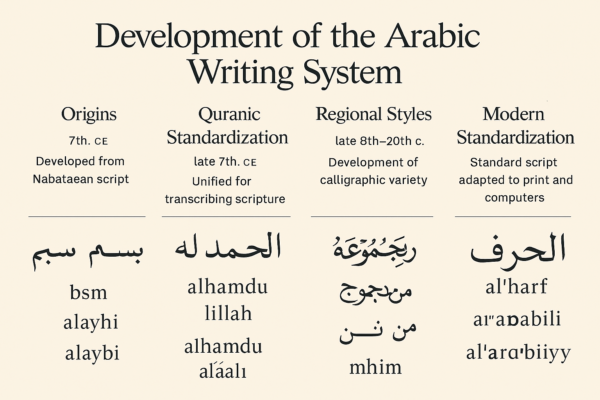
The Arabic writing system is a consonantal script (abjad) that developed through early standardization combined with long‑term visual and structural refinement. While the core alphabet stabilized relatively early, Arabic writing continued to evolve through annotation, stylistic diversification, and adaptation to new media.
Arabic script places emphasis on structure, flow, and contextual interpretation, shaping both how text is written and how it is read.
Origins in Earlier Semitic Scripts
Arabic writing emerged in the early first millennium CE, developing from the Nabataean script, which itself descended from earlier Semitic alphabets rooted in Phoenician. These scripts shared key features: right‑to‑left direction, consonantal focus, and reliance on reader knowledge to supply vowels.
Early Arabic writing lacked many visual distinctions between letters. Shapes were differentiated primarily by context, and written forms could be ambiguous without familiarity with the language.

Standardization and Clarification
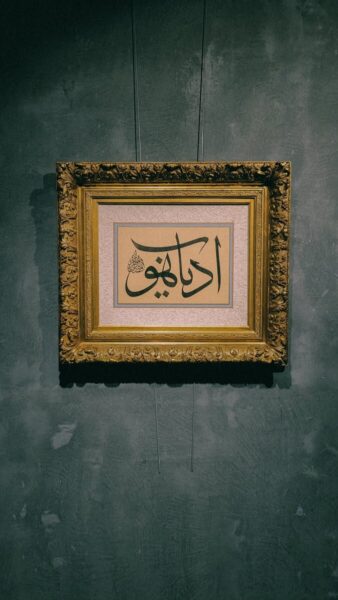
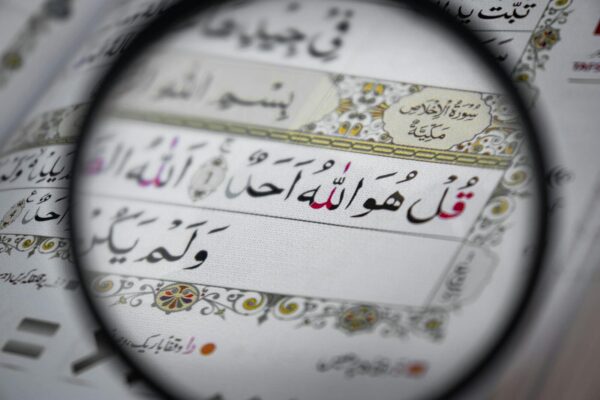
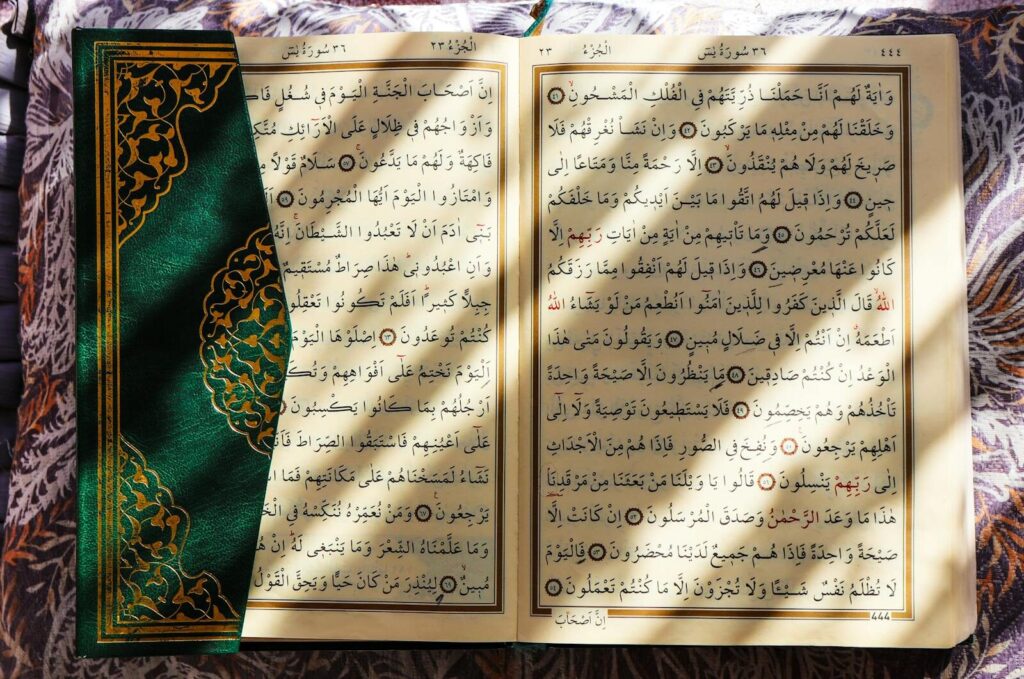
As Arabic spread rapidly across large regions, the need for clarity and consistency—particularly for religious texts—led to increasing standardization. Letter shapes were refined, and dots were introduced to distinguish between consonants with similar forms.
Later, vowel marks and pronunciation guides were developed as optional additions. These did not change the underlying structure of the alphabet but provided tools for accurate reading, teaching, and recitation when needed.
The alphabet itself remained consonantal, reinforcing continuity rather than restructuring.
Calligraphic Expansion
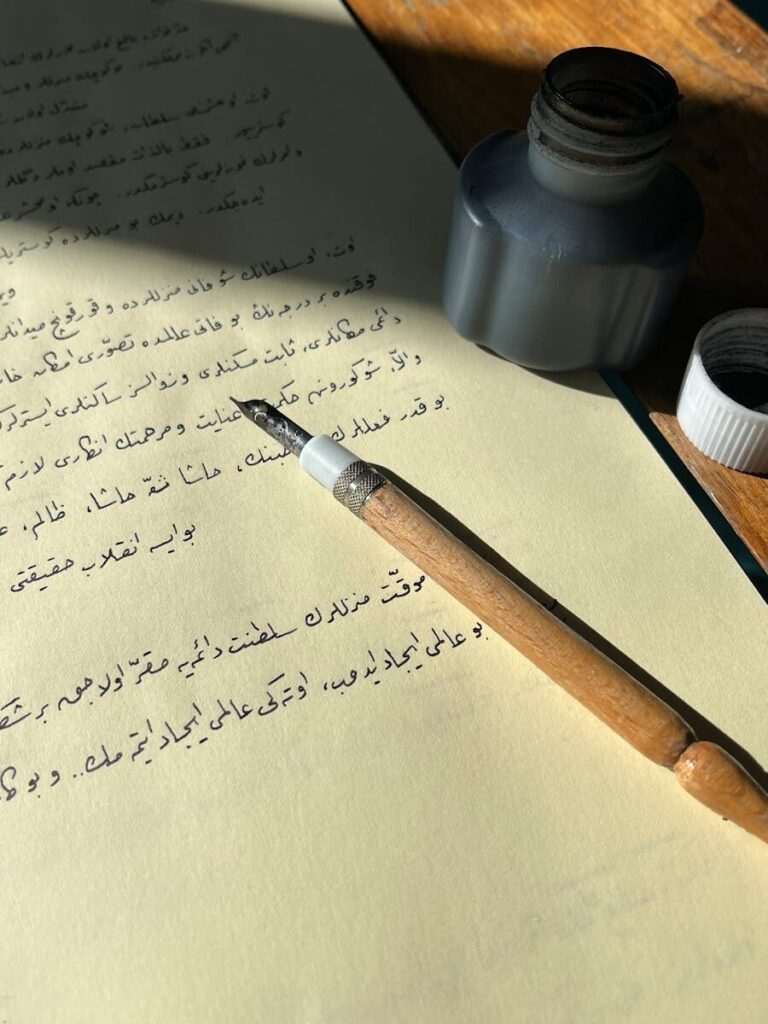
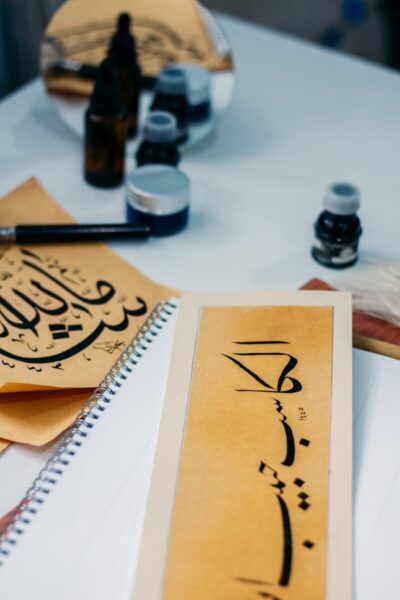
One of the defining aspects of Arabic writing is its development into a wide range of calligraphic styles. While the alphabet stayed structurally consistent, its visual expression diversified dramatically.
Different styles emerged for:
- everyday writing
- manuscripts and books
- architecture and decoration
- formal and sacred contexts
This allowed Arabic writing to function both as a practical system and as a major visual art, without altering its foundational logic.
Modern Standardization and Digital Use
In the modern era, Arabic script was adapted for printing, education, and digital technology. Standard letterforms were established for typography, while cursive connection and contextual shaping were preserved.
Technological adaptation required encoding complex letter behavior, but the script’s internal consistency made this possible without simplifying its structure.

If you want to learn more about scripts and their orgins, visit our friends at