
The written word
How are written languages created?
Writing systems don’t begin as alphabets or rules.
They begin as marks—shaped by sounds, tools, hands, and need.
Over time, those marks become systems people share, teach, and carry forward.
“An exploration of how language becomes visible.“
Discover the origins of the writing systems of…
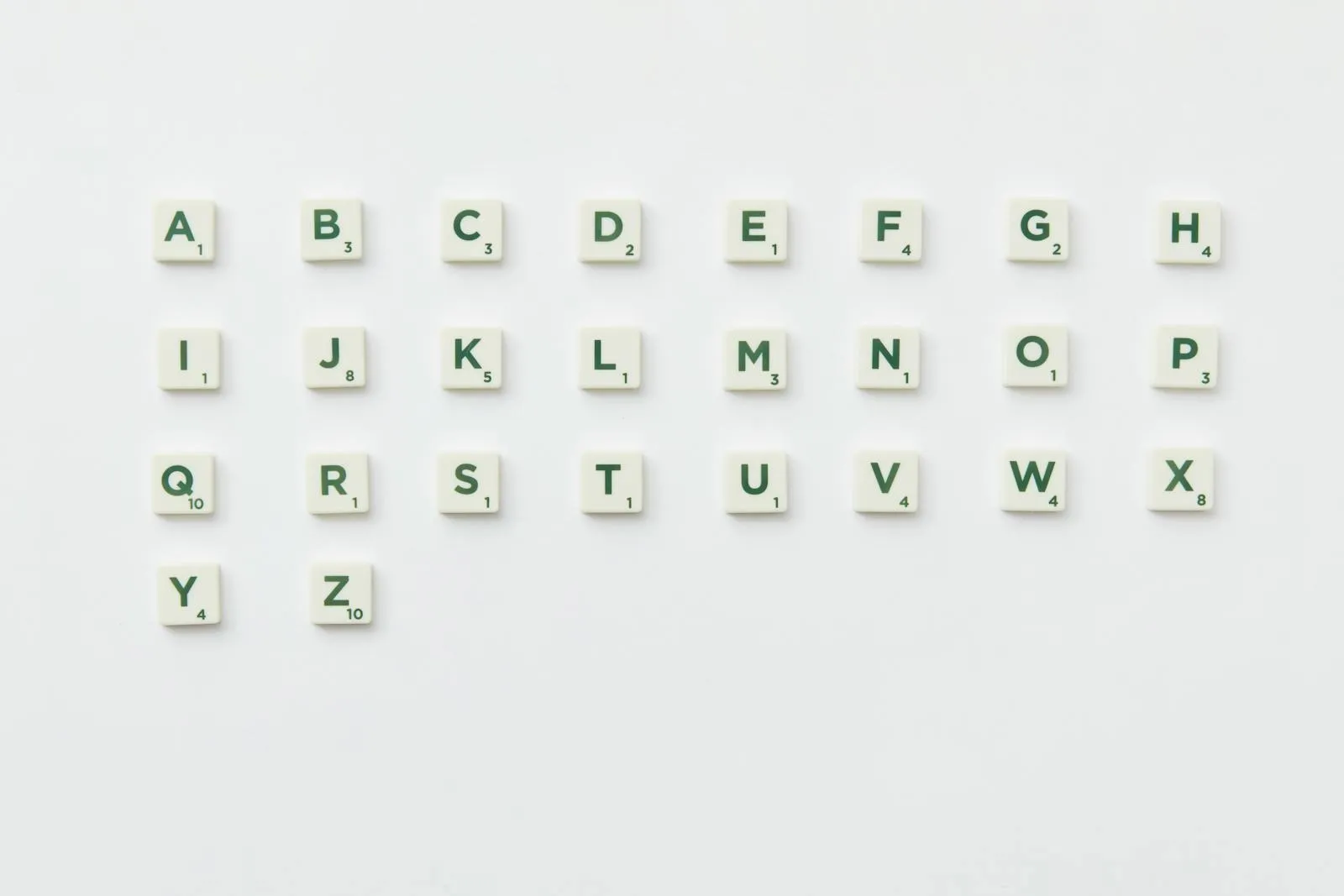
Latin, French, Mandarin, Korean, Swahili, Arabic, Hebrew, Phoenician, and English






The script loom
Form.
Meaning.
Continuum.
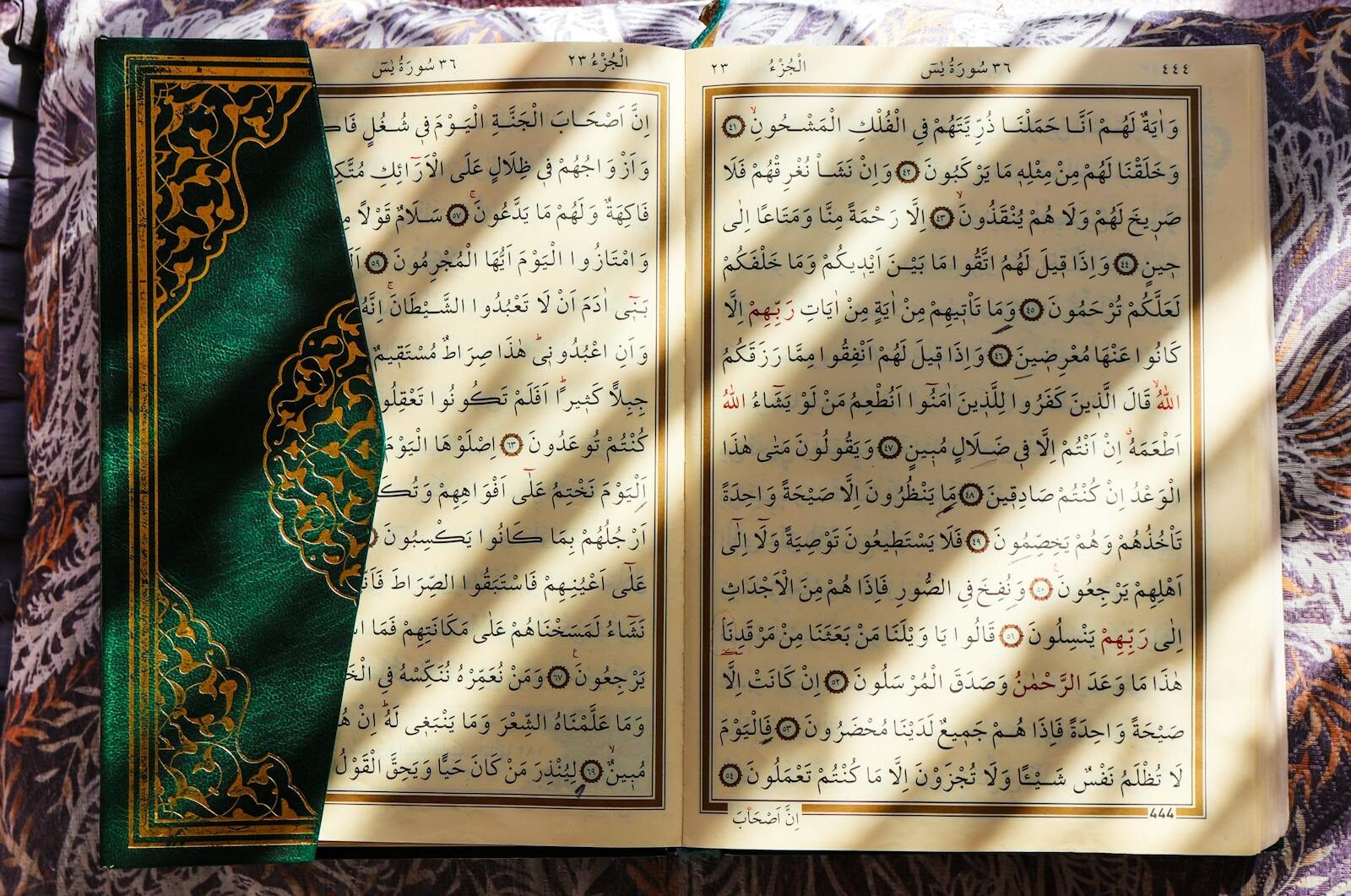
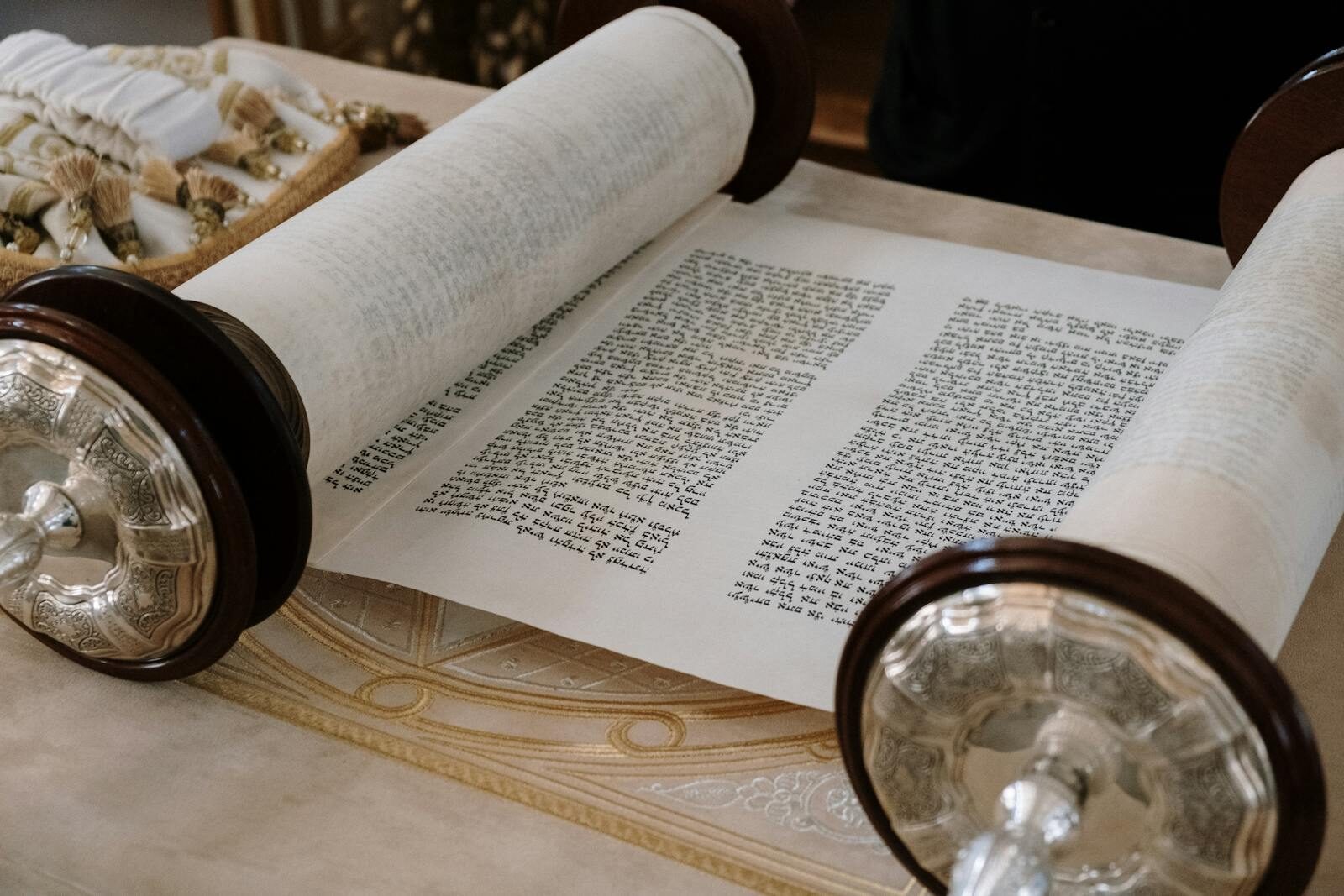
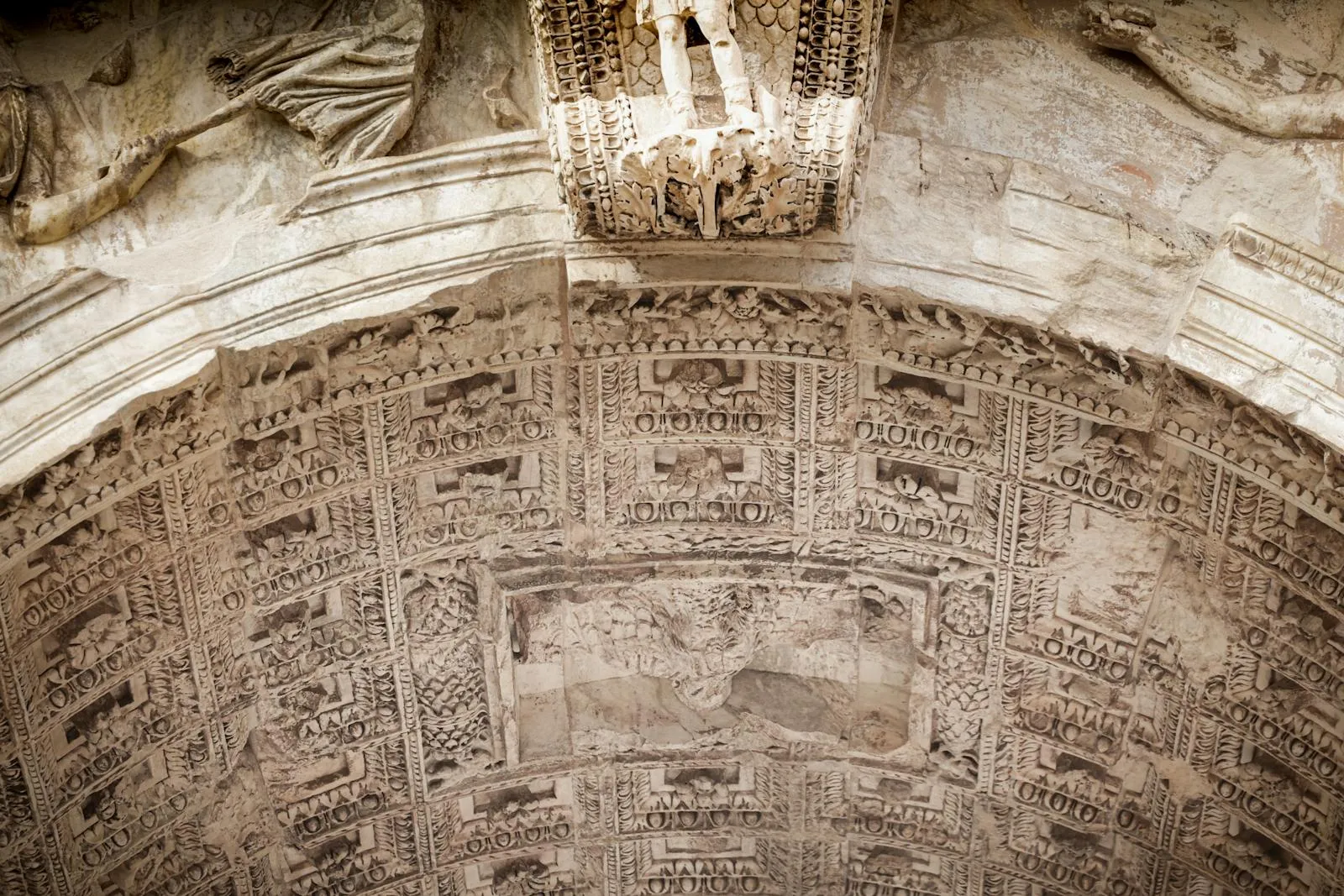
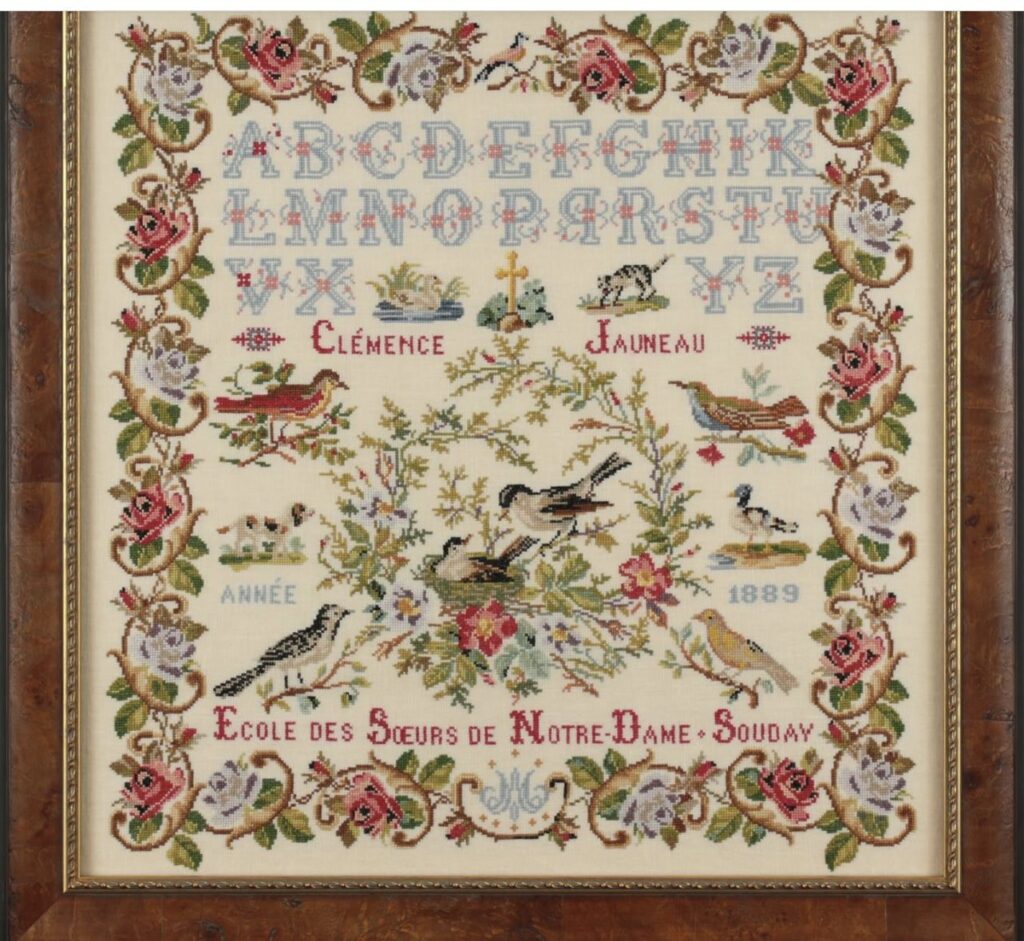
Script Looms is a curated exploration of the world’s writing systems—past and present. Each script is a thread: shaped by culture, belief, technology, and time. Together, they form a tapestry of how humanity records, remembers, and imagines.
The art of writing
The Shuttle
Essays, curiosities, and close readings of the world’s writing systems.


FAQ’s
What is a writing system?
A writing system is a way of making language visible. It uses marks, symbols, or letters to represent sounds, ideas, or meanings so they can be read, remembered, and shared beyond speech.
How did writing systems first develop?
Most writing systems emerged from practical needs—tracking goods, recording rituals, marking ownership, or preserving stories. Over time, these marks became standardized into systems that could represent language more fully.
Are writing systems still evolving today?
Yes. Writing systems change constantly. New scripts are created, old ones are revived, glyphs evolve with technology, and digital communication reshapes how writing looks, moves, and functions.
How long does a typical project take?
Project timelines vary, but a typical room makeover can take 2–6 weeks depending on the complexity and availability of materials and furniture.
Are all writing systems connected?
Some are historically related, others developed independently. Even unrelated systems often arrive at similar solutions—lines, curves, repetition—because they respond to shared human needs, tools, and constraints.
Why do writing systems look so different from one another?
Their shapes reflect materials, tools, direction of writing, and cultural values. Writing carved in stone looks different from writing brushed on silk or typed on screens.
Why do writing systems matter?
Writing systems preserve knowledge, structure societies, and shape how people think and communicate. They are not just tools for language—they are cultural artifacts embedded with history and identity.