The Now
How Writing Systems Are Used and Shaped Today
Writing systems are often thought of as complete—finished alphabets, fixed characters, settled forms. In practice, writing systems are still being shaped. While their core structures may be centuries old, the conditions under which they are written, read, and transmitted continue to change.
This page looks at how writing systems function today, and how modern tools, technologies, and social contexts influence the way scripts appear and behave.
Testimonials
Writing systems change not by reinventing their forms, but by adapting to the worlds that carry them.

Writing in a Digital World
The most significant shift in modern script use is the move from hand and print to digital environments.
Screens, keyboards, and software introduce new constraints:
- global compatibility requirements
- fixed character encoding
- limited input methods
- standardized fonts and layouts
Scripts must now function not only on paper, but across operating systems, devices, and networks. This has changed how scripts are prioritized, represented, and even preserved.
Standardization and Encoding
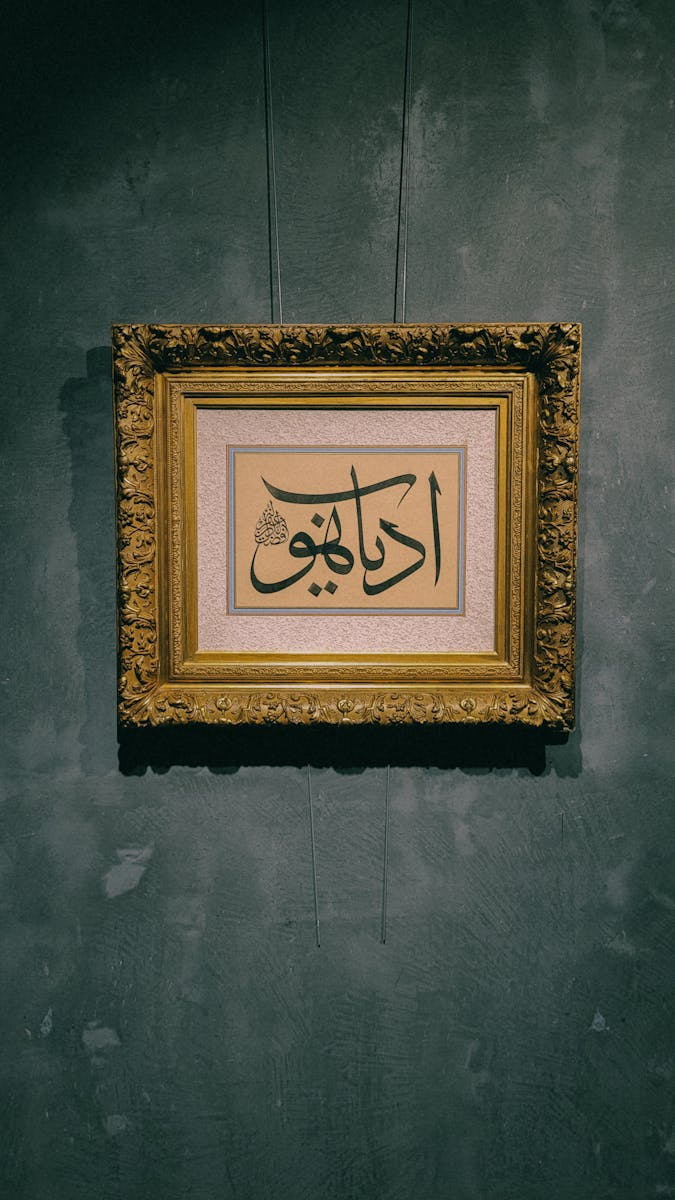
Modern writing systems rely on technical standards to exist digitally. Encoding systems determine which scripts are supported, how characters are represented, and whether a script can be easily typed or rendered.
As a result:
- some scripts gain wider visibility and use
- others face barriers to digital representation
- decisions made for software can influence writing habits
Standardization makes global communication possible, but it also encourages uniformity, sometimes at the expense of regional or stylistic variation.
Typography and Visual Choice

Continuity and Revival
While some scripts dominate global communication, others are being revived, preserved, or reintroduced.
Modern script use includes:
- revival of historical or ceremonial scripts
- renewed interest in pre‑colonial writing traditions
- community‑led preservation efforts
- educational and artistic reinterpretation
In these contexts, writing systems become tools of identity and continuity, linking present use to historical form.
Writing Without Redesign
Despite these changes, most modern writing systems are not being reinvented. Alphabets are rarely expanded. Characters are seldom redesigned from scratch. Instead, writing systems adapt through usage, convention, and technology, just as they have in the past.
Change happens at the edges:
- in how scripts are displayed
- in how they are accessed
- in who controls their representation
The systems endure, even as the conditions around them shift.