Our Mission:

Script Looms exists to illuminate how writing systems are created, adapted, and transformed over time.
Our mission is to foster understanding of scripts as human-made systems—shaped by culture, materials, technology, and historical circumstance—by tracing their development from ancient origins to modern use.
We aim to make the study of writing systems accessible, visually engaging, and context-rich, encouraging curiosity about how the written forms we use today are connected to centuries of innovation and exchange.
About Us:
From Ancient Marks to Modern Scripts
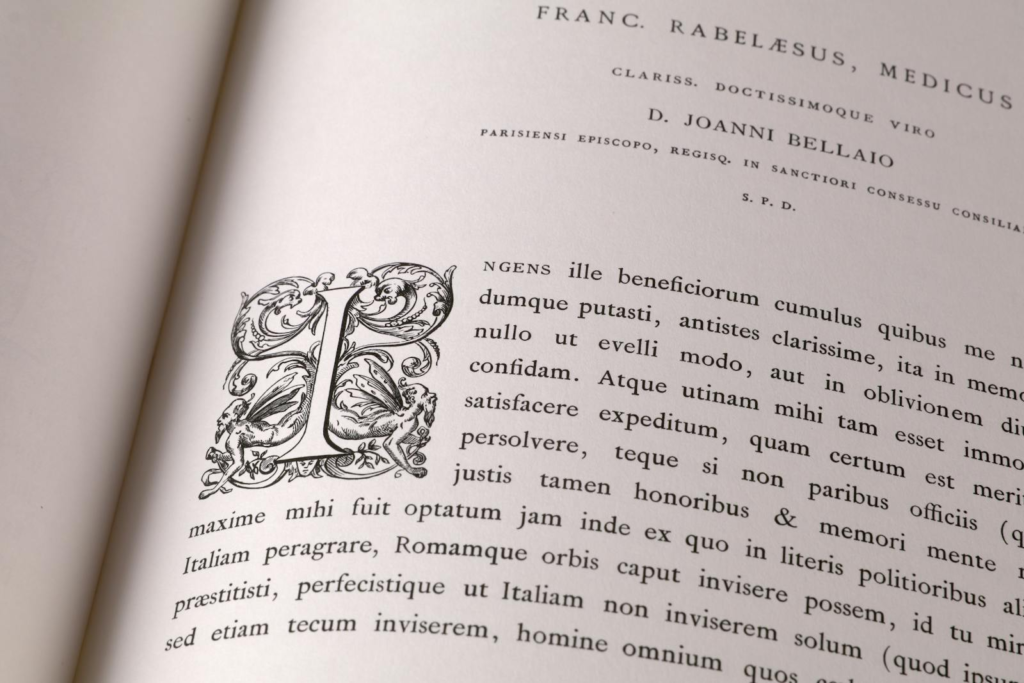
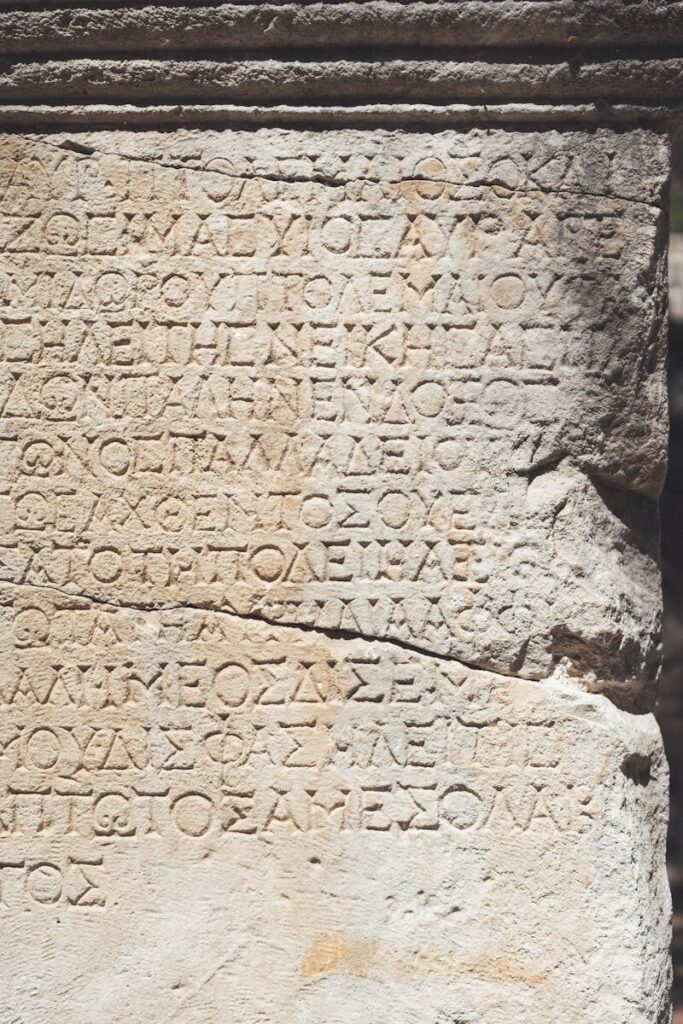
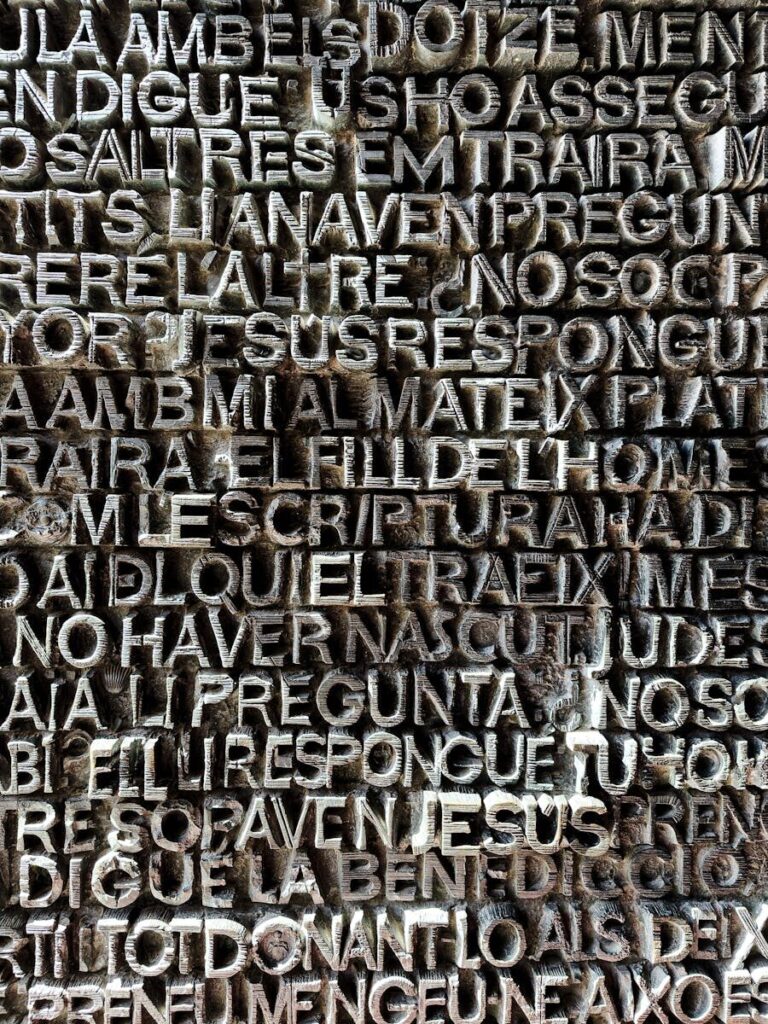
Writing is one of humanity’s most enduring inventions. Across time, cultures have devised ways to turn sound, thought, and meaning into visible form—marks that can travel across distance and survive beyond a single moment. Script Looms is an exploration of those systems: not of languages themselves, but of the scripts used to write them.


The Loom
Shapes woven into meaning
A loom is a tool for weaving individual threads into something larger.
In this project, each writing system is a thread—shaped by geography, belief, materials, technology, and time. Alone, a script tells a local story. Woven together, scripts form a global tapestry of human ingenuity and expression.
Script Looms looks at how these threads intersect, diverge, disappear, and sometimes reappear. Some scripts influence others directly; some evolve in isolation; many change shape as societies change around them.
What this website is and is not for…

Script Loom is for:
- Exploring how writing systems are designed, structured, and changed over time
- Understanding scripts as human-made systems, shaped by culture, tools, and history
- Tracing connections between ancient writing systems and modern scripts
- Learning how scripts move across regions, materials, and technologies
- Curious readers, designers, students, and researchers interested in written form
- Slow, thoughtful engagement with writing as craft, technology, and culture

Script Loom is not for:
- Teaching how languages themselves develop, evolve, or relate to one another
- Explaining grammar, pronunciation, vocabulary, or spoken linguistics
- Ranking writing systems as better, worse, simpler, or more advanced
- Presenting scripts as static or frozen in time
- Claiming a single origin or linear progression for all writing
- Treating writing systems as decorative symbols without context or history
Have questions?